Attending the 7th World Congress on Probation and Parole held in Bali, Indonesia was far more than a professional milestone, it was a powerful reminder of what becomes possible when people from across the globe gather with a shared purpose.
Despite differences in culture, language, and justice systems, one truth resonated throughout the Congress: we are all striving toward better outcomes for the people we serve and safer, stronger communities.
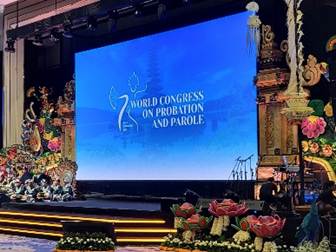
For the Supervision Around the World (SAW) Project, this event was not just aligned with our mission – it embodied it. The SAW Project exists to connect global voices, surface effective practices, and ensure that no jurisdiction is left to solve complex challenges in isolation. In Bali, that vision came to life in real time through conversations, workshops, and powerful shared experiences.
Learning in Action: Workshops and Breakout Sessions
One of the greatest strengths of the World Congress is the opportunity to engage deeply with ideas being actively implemented across the globe. While there were many impactful sessions, a few stood out as particularly meaningful.
Building Readiness for Reintegration: Indonesia’s Perintis Program
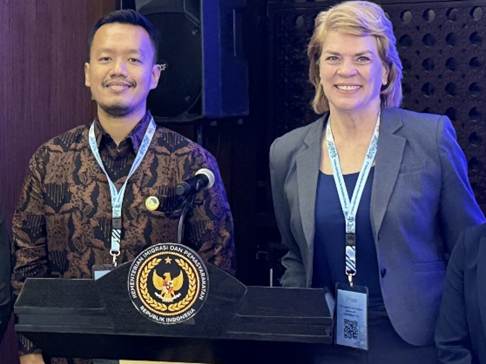
A standout presentation came from Renaldi Wicaksono, a probation officer from the Jakarta Barat Probation Office, who introduced Indonesia’s Perintis Program Framework, which is an early-stage intervention designed for individuals transitioning through parole.
What makes this model compelling is its focus on psychosocial readiness. Rather than viewing release as a single event, the Perintis Program recognizes reintegration as a process that begins well before an individual returns fully to the community. It prioritizes emotional stability, family relationships, and community engagement as foundational elements of long-term success.
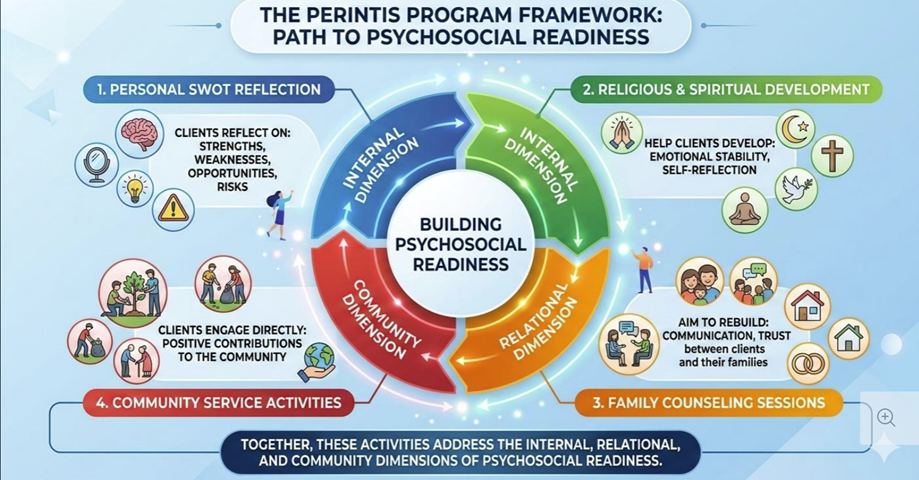
This approach reinforces a key takeaway echoed throughout the Congress: release is not a moment – it is a process. By preparing individuals both internally (mindset, emotional readiness) and externally (support systems, relationships), programs like Perintis offer a more complete pathway toward successful reintegration.
Stories of Transformation: The Power of Lived Experience
One of the most impactful moments of the Congress unfolded through a deeply human lens, as I had the opportunity to interview Billa Nanra on behalf of the Prem Rawat Foundation.
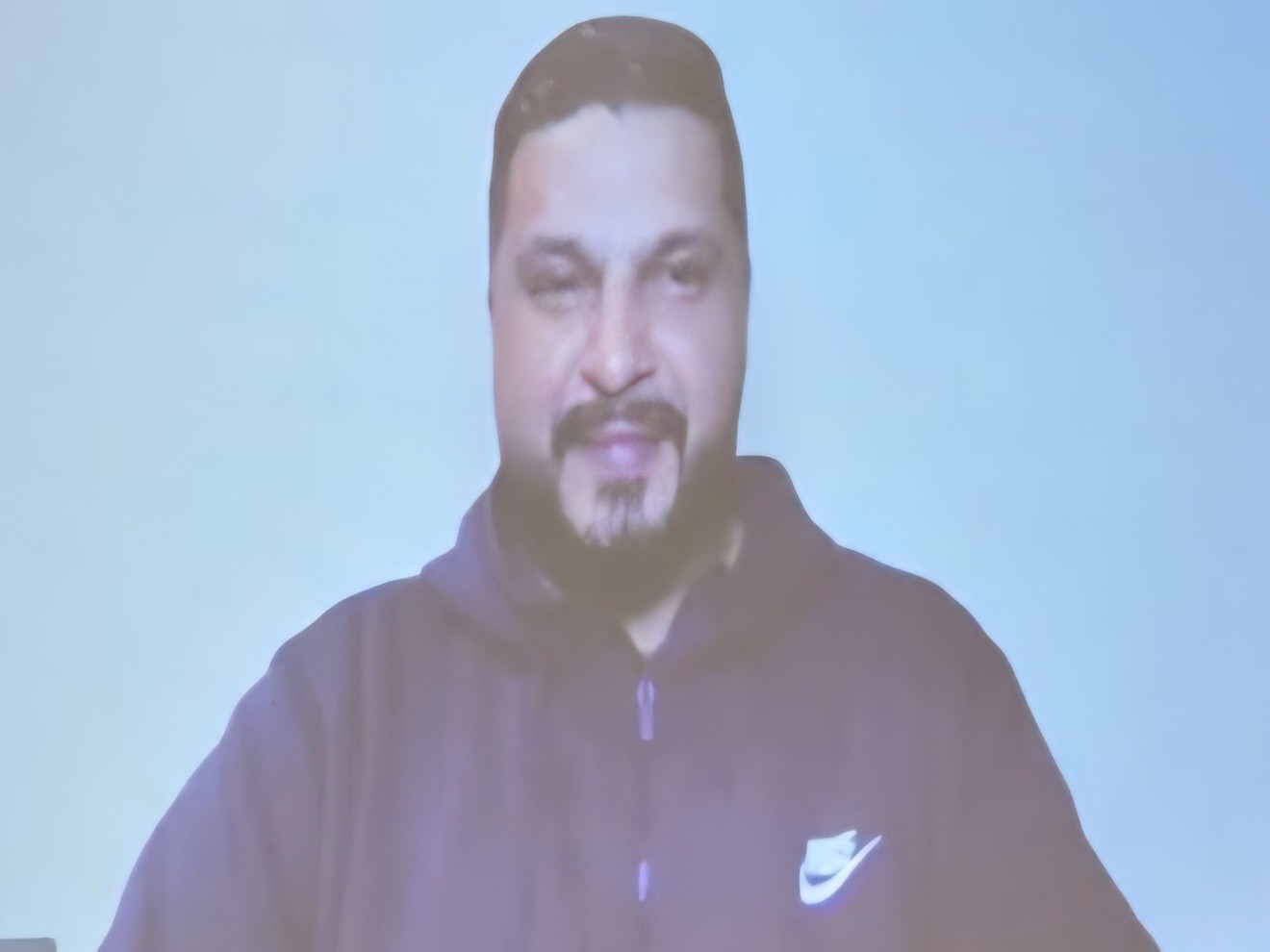
Billa Nanra attending virtually from U.K.
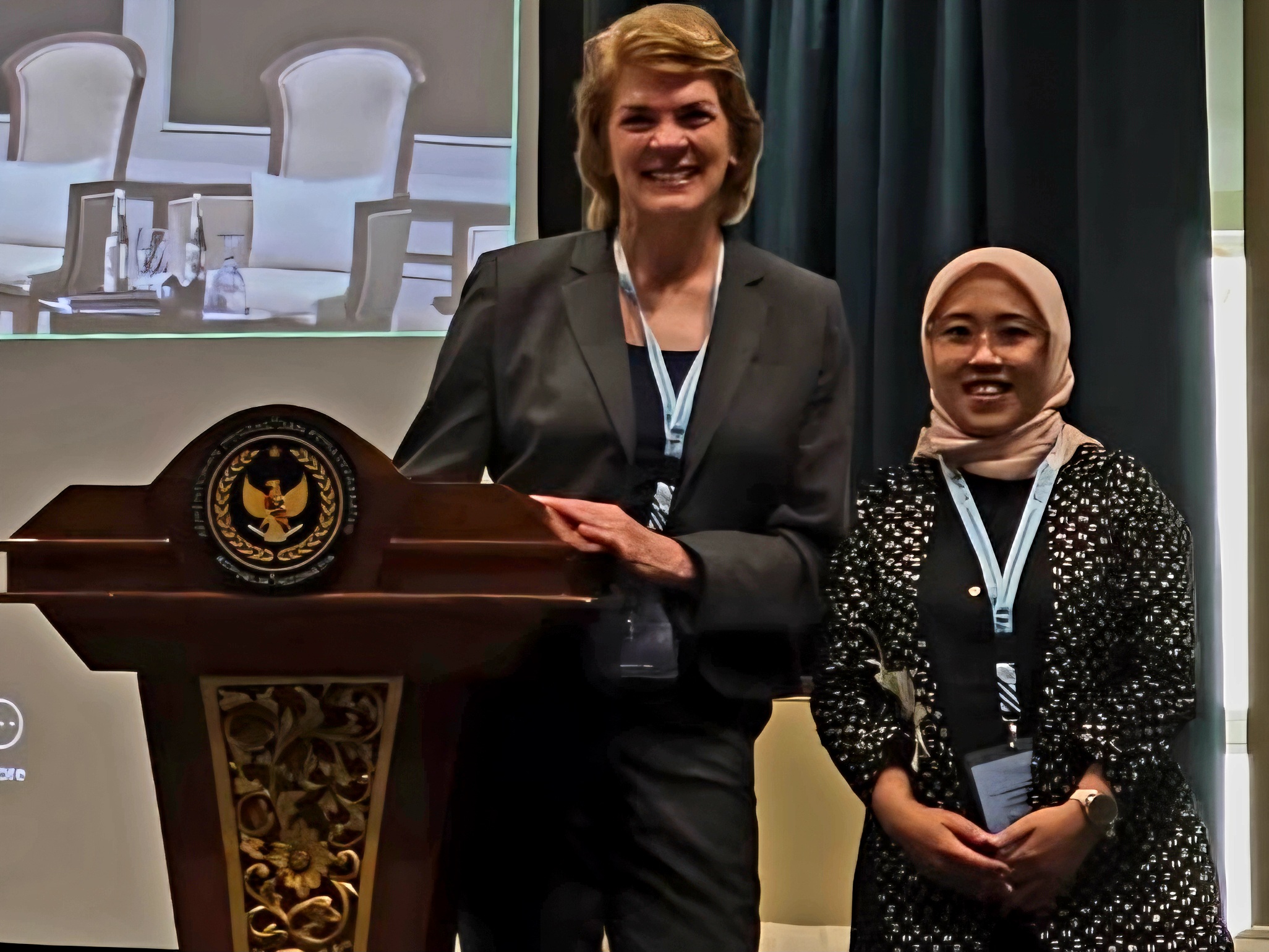
Julie Truschel, and Khoriroh Maknunah (Session Moderator)
Joining virtually from the United Kingdom, Billa shared his story of transformation. Following his incarceration, he credits the Peace Education Program with helping him fundamentally reshape his thinking and direction in life. Today, he has come full circle, serving as a program facilitator and helping others navigate their own journeys of change.
His story is a powerful reminder that meaningful programming, grounded in dignity, reflection, and personal growth, can create lasting impact. It also reinforces a broader truth: when individuals are given the tools and opportunity to change, transformation is not only possible, it is sustainable.
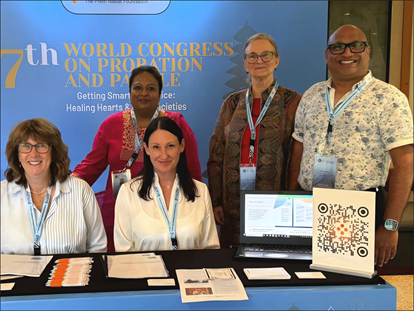
Having the Peace Education Program team attend the World Congress was a great example of global collaboration in action. Through support of The Prem Rawat Foundation, their workshops highlighted how personal reflection and growth can lead to meaningful, lasting change.
Shown here (from left): Catherine Gavigan, Renukka Kandiah, Josselin Brain, Willow Baker, and Mitesh Desai
Big Ideas from the Main Stage: Keynote Reflections
While workshops provided depth, the plenary sessions offered perspective and challenged attendees to think more broadly about the systems we design and the outcomes we seek.
The Role of Community: A Global Perspective
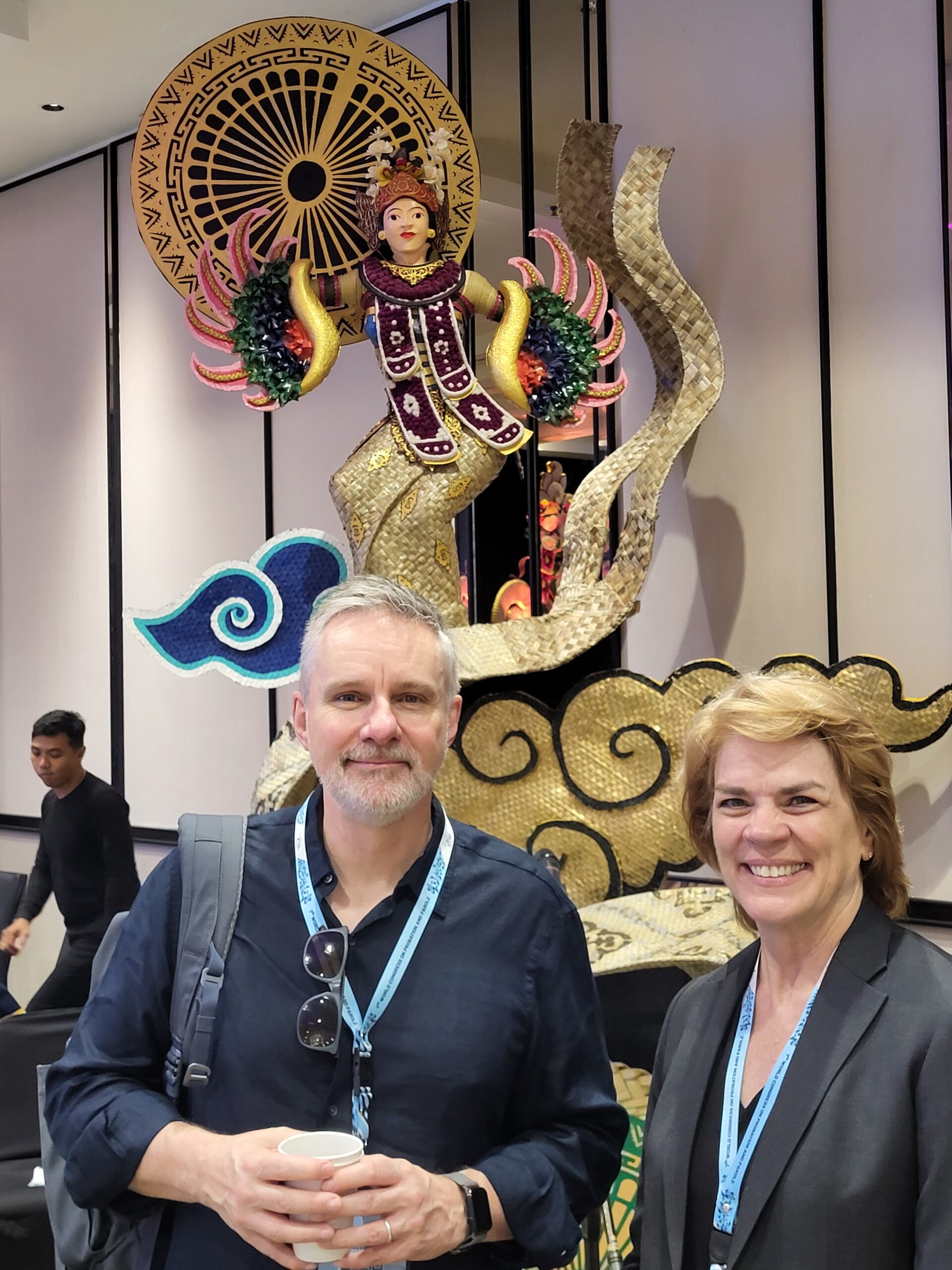
Fergus McNeill, Professor of Criminology and Social Work at University of Glasgow, delivered a compelling keynote on the importance of harnessing the power of communities in justice work. His message was clear: justice does not, and cannot, exist in isolation.
Lasting change happens when communities are not just observers, but active participants in the process. This perspective aligns deeply with the SAW Project’s belief that effective supervision is not simply about compliance or control; it is about relationships, connection, and shared responsibility.
Pathways Forward: Rethinking Community Corrections
In another impactful session, Collie F. Brown (Retired UNODC, Jakarta, Indonesia) explored the concept of Community Corrections Pathways, emphasizing the importance of structured, intentional systems that support individuals as they move forward.
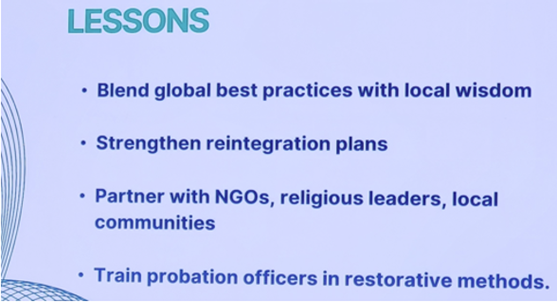
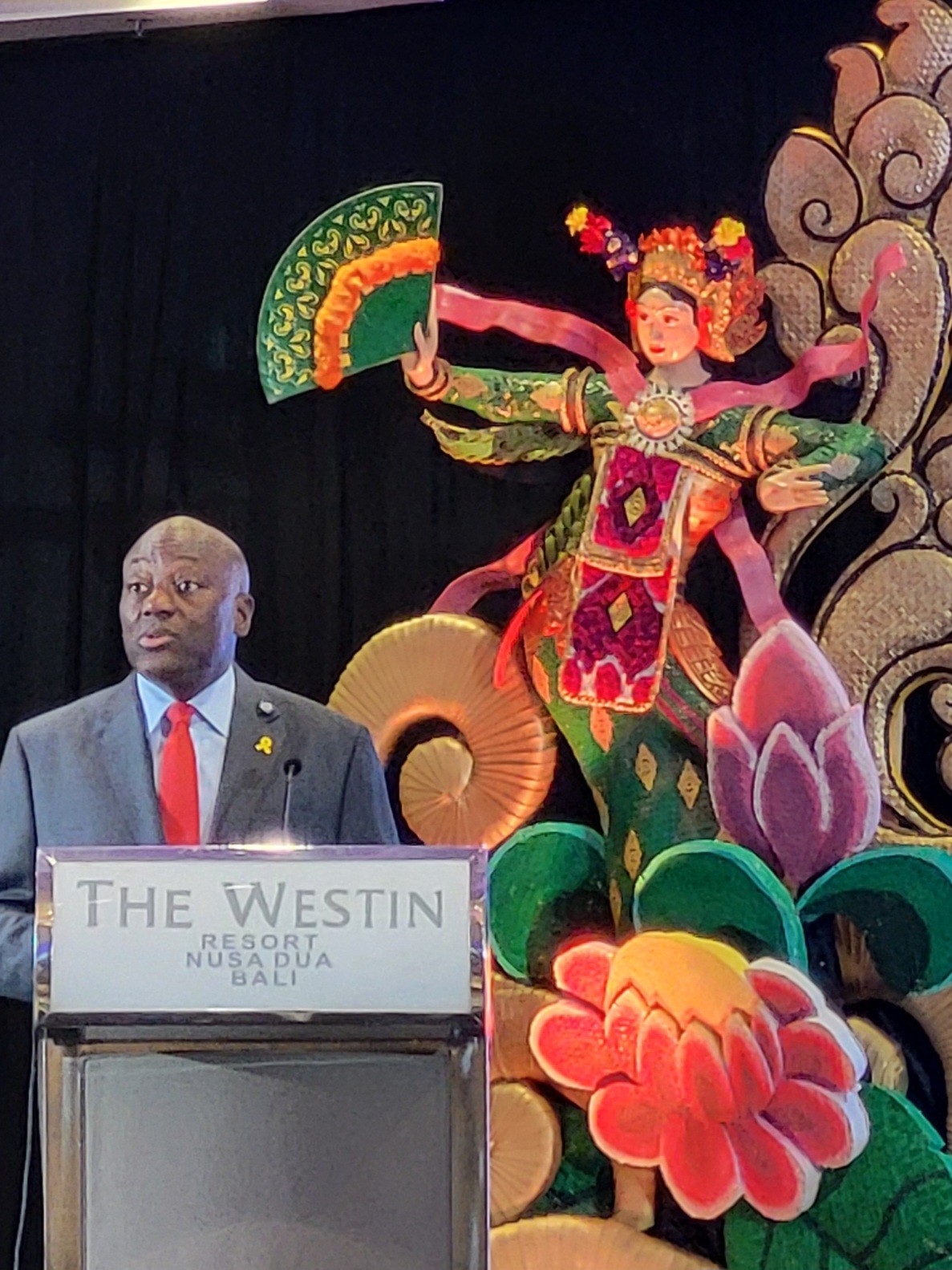
On behalf of the Second Chance Foundation, his message underscored a critical balance: accountability must exist alongside opportunity. This idea sits at the heart of improving outcomes globally. When systems create clear, supportive pathways, rather than fragmented or reactive responses, they enable individuals to move toward stability, not just away from harm.
A Lasting Impression: A Simple but Powerful Metaphor
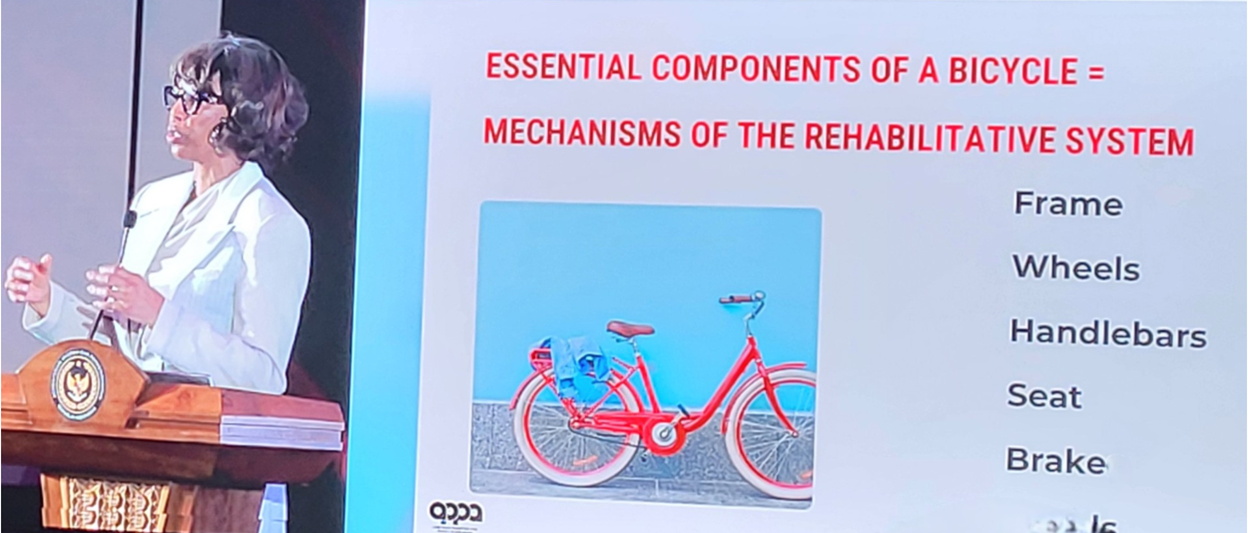
The Congress concluded with a memorable keynote from Veronica Cunningham, Executive Director of the American Probation and Parole Association (APPA) whose closing message offered a simple yet powerful metaphor: comparing justice systems to a bicycle. At first glance, the bicycle seemed like a simple image, but the more Veronica unpacked it, the more powerful it became.
She invited us to look beyond the surface, drawing connections between each part of the bicycle and the elements we bring to our justice system work. The frame, for example, represents our core foundation or the fundamental principles that shape how we work with people. The seat reflects support and stability; the handlebars, direction and guidance; each component playing a distinct role, yet all needing to function together for forward movement.
It was a simple metaphor, but one that captured a complex truth. It was a fitting conclusion to a Congress centered on progress, possibility, and purpose.
Why This Matters: From Ideas to Impact
What made this World Congress so impactful was not just the sharing of ideas, but the recognition that these ideas are already being implemented in meaningful ways around the world.
From psychosocial readiness models in Indonesia, to lived-experience-led transformation, to community-driven approaches highlighted by global leaders; the lessons from Bali reinforce a central theme:
Connection matters. Collaboration matters. Compassion matters.
This is precisely why the SAW Project exists. We believe that by identifying, sharing, and elevating what works, we can help shape a future where justice systems are not only effective but also human-centered, responsive, and rooted in dignity.
Continuing the Conversation
The conversations that began in Bali do not end with the closing session. They continue through the relationships built, the ideas exchanged, and the ongoing commitment to learning from one another across borders. That is the work of the SAW Project. And that is the opportunity ahead.